Welcome to Bitcoin Mining & Economics
Bitcoin pays for its own security. Miners do the work, and the code pays them in new bitcoin plus the fees people attach to their transactions. This course follows that money: how mining works, what it costs and earns, how the halving cuts the new-coin part about every four years, and what fees will have to carry as it shrinks. It ends with what all this means for you if you buy and hold bitcoin.
Every calculation uses figures from November 2026 that you can look up on mempool.space in a minute, so you will be able to redo each one with today’s numbers: what a machine earns, the electricity price at which it stops paying, and whether an offer of mining income adds up.
Who this course is for
Anyone who wants to understand where new bitcoin comes from and what keeps the network secure, from would-be home miners to long-term holders. It builds on Courses 1 and 2: blocks, transactions, proof of work and holding your own keys. If those are new, start with Bitcoin Fundamentals.
What you’ll learn
- How mining works: the hashing race, the difficulty adjustment, and what a 51% attack would take
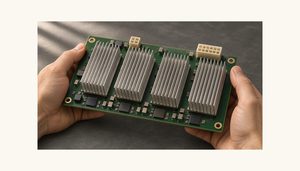
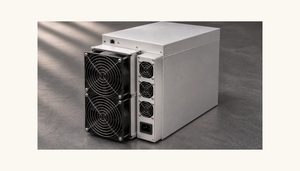
- Machines and pools: ASIC efficiency in joules per terahash, how pools share rewards, and who chooses the transactions in a block
- Profitability: hashprice, and the break-even electricity price of any machine
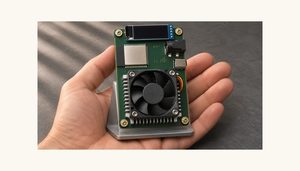
- Home mining and scams: small home miners, the solo-mining lottery, mining heat, and how to test an offer of mining income
- The halving: the supply schedule behind the 21 million cap
- Fees and the security budget: how the fee auction works, and whether fees can pay for security as the subsidy shrinks
- Buying and holding: spot ETFs compared with self-custody, and dollar cost averaging
How the course is organized
Nine lessons in three parts, then a final review with a check for every lesson:
- How mining works and what it pays (lessons 1–5)
- Supply and security (lessons 6–7)
- Buying and holding (lessons 8–9)
Every lesson ends with questions to check your understanding.