
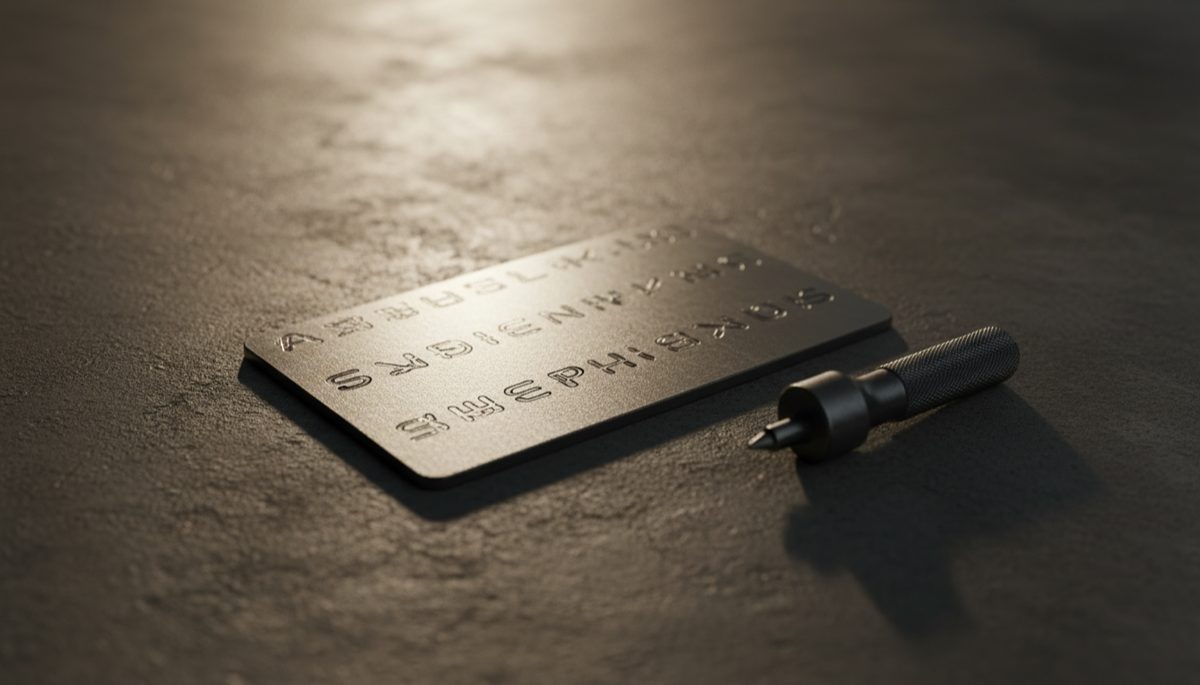
Your Bitcoin seed phrase is the master key to your entire Bitcoin fortune. Lose it, and your Bitcoin is gone forever. Let someone else see it, and they can steal everything in seconds. No customer support line. No recovery form. No second chances.
This guide covers everything you need to know about securing your seed phrase — from understanding what it actually is at a technical level, to choosing the right physical backup method, to planning for inheritance. Whether you hold 0.01 BTC or 100 BTC, seed phrase security is the single most important skill in Bitcoin self-custody.
What Is a Bitcoin Seed Phrase?
A seed phrase (also called a recovery phrase or mnemonic phrase) is a sequence of 12 or 24 words that serves as the human-readable backup of your Bitcoin wallet. These words come from a standardized list of 2,048 English words defined by BIP39 (Bitcoin Improvement Proposal 39).
Here’s an example of what a 24-word seed phrase looks like:
abandon ability able about above absent absorb abstract absurd abuse access accident acid acoustic acquire across act action adapt add addict address adjust admit(This is a publicly known example — never use a seed phrase you found online.)
Each word in the BIP39 word list is chosen so that the first four letters are unique. This means you only need to engrave or stamp the first four letters of each word on a metal backup — “abandon” becomes “aban”, “ability” becomes “abil”, and so on. Your wallet software will recognize the full word from those four letters.
The final word in your seed phrase is actually a checksum. It’s mathematically derived from the preceding words, which means your wallet can detect if you’ve written down a word incorrectly. This doesn’t protect against all errors, but it catches most single-word mistakes.
How Seed Phrases Generate Your Private Keys
Your seed phrase isn’t just a password — it’s the root of an entire tree of Bitcoin addresses and private keys. While both are related, your seed phrase and private keys serve different functions. Here’s how the derivation works:
- Entropy generation: Your wallet generates a random number (128 bits for 12 words, 256 bits for 24 words). The quality of this randomness is critical — it’s why you should only generate seed phrases on dedicated hardware wallets or trusted open-source software, never on websites.
- Mnemonic encoding: That entropy is converted into words using the BIP39 word list, with a checksum appended.
- Seed derivation: The mnemonic words are run through PBKDF2 (a key-stretching function) with 2,048 rounds of HMAC-SHA512. This produces a 512-bit seed. If you use an optional passphrase (the “25th word”), it’s included in this step — meaning a different passphrase produces a completely different set of keys.
- Master key creation: The 512-bit seed generates a master private key and master chain code using BIP32 (Hierarchical Deterministic wallets).
- Key derivation paths: From the master key, your wallet derives child keys following a specific path. For example, the standard Bitcoin path
m/84'/0'/0'/0/0means: BIP84 (native SegWit) → Bitcoin mainnet → first account → external chain → first address. Each level in the path creates a new branch of keys.
The beauty of this system is determinism: the same seed phrase will always generate the same addresses in the same order. You can destroy your hardware wallet, buy a new one ten years later, enter your seed phrase, and every satoshi will be right where you left it. For a deeper look at the mathematics behind this process, see our guide on HD wallet key derivation.
Why Seed Phrase Security Matters
The importance of seed phrase security isn’t theoretical. Real people lose real Bitcoin every day. Here are documented ways seed phrases get compromised:
Physical theft and loss
- House fires: Paper seed backups burn. If your only copy was on paper in a desk drawer, a house fire means permanent loss.
- Burglary: A thief who finds a piece of paper with 24 words on it may not know what it is today — but a quick internet search will tell them everything they need to sweep your wallet.
- Natural disasters: Floods, hurricanes, and earthquakes destroy homes. Your seed phrase backup needs to survive what your house might not.
Digital exposure
- Cloud storage: Storing your seed phrase in iCloud Notes, Google Drive, or any cloud service means you’re trusting that company’s security, every employee with access, and your own account security (password + 2FA). Multiple exchange hacks have started with compromised personal cloud accounts.
- Screenshots and photos: Your phone automatically syncs photos to the cloud. Taking a photo of your seed phrase is equivalent to uploading it to Apple or Google’s servers.
- Clipboard malware: Some malware monitors your clipboard. If you ever copy-paste your seed phrase, it may be captured.
- Phishing: Fake wallet apps and websites that ask you to “verify” or “enter” your seed phrase are the most common attack vector. No legitimate service will ever ask for your seed phrase.
Human error
- Writing down words incorrectly: Swapping two words or misspelling one can make recovery impossible.
- Forgetting where the backup is stored: People move, clean out drawers, and throw things away. A seed phrase backup that you can’t find is the same as one that doesn’t exist.
- Death without a plan: If you’re the only person who knows where your seed phrase is and how to use it, your Bitcoin dies with you. We cover this in the inheritance planning section below.
Best Seed Phrase Storage Methods Compared
There are three main categories of seed phrase storage. Each has trade-offs between cost, durability, and security.
| Method | Cost | Fire Resistant | Water Resistant | Corrosion Resistant | Digital Exposure Risk | Best For |
|---|---|---|---|---|---|---|
| Paper | Free | No | No | No | None | Temporary / small amounts |
| Metal (stamped) | $49–$179 | Yes (1400°C+) | Yes | Yes (316 steel) | None | Long-term / significant holdings |
| Metal (engraved) | $50–$100 | Yes | Yes | Varies | None | DIY / custom solutions |
| Digital (encrypted) | Free | N/A | N/A | N/A | High | Not recommended for primary backup |
Paper backups
Writing your seed phrase on paper is how most people start, and it’s fine as a temporary measure. Use a pen (not pencil — it smudges), write clearly, and double-check every word against what your wallet displays.
Limitations: Paper is destroyed by water, fire, and time. Ink fades. Paper degrades. If this is your only backup, you’re one household accident away from losing everything. Treat paper as a temporary step before upgrading to metal.
Metal backups
Metal seed storage is the gold standard for long-term Bitcoin security. Stainless steel (especially grade 316) withstands house fires (which typically peak around 600°C — steel melts above 1,400°C), flooding, and decades of storage without degradation.
There are two main approaches:
- Letter-tile systems: You slide individual letter tiles into a metal housing (Cryptosteel Capsule, Billfodl). More expensive but no tools required.
- Stamp/punch systems: You stamp or punch letters directly into a steel plate (BlockPlate, DIY solutions). Cheaper and arguably more durable since there are no moving parts.
Digital storage (not recommended)
Encrypted digital backups (using tools like VeraCrypt or GPG) add a layer of convenience, but they introduce attack surfaces that don’t exist with physical media: malware, key loggers, clipboard monitors, compromised encryption implementations, forgotten encryption passwords, and software incompatibilities over time.
If you insist on a digital backup as a secondary copy, encrypt it with a strong passphrase, store it on an air-gapped device, and never connect that device to the internet. But understand that your metal backup should always be your primary recovery method.
Step-by-Step: How to Secure Your Seed Phrase
Follow these steps when setting up a new wallet or upgrading the security of an existing one:
- Generate your seed phrase on a hardware wallet. Never use a website, browser extension, or phone app to generate a seed phrase for significant amounts. A dedicated hardware signing device generates entropy in a secure environment isolated from internet-connected systems.
- Write it down immediately on paper. Your hardware wallet will display the words one at a time or in groups. Write each word carefully, numbering them 1 through 24. Double-check by going through the verification step your wallet provides.
- Verify the backup works. Before sending any Bitcoin to the wallet, test recovery. Reset the device, enter your seed phrase, and confirm it generates the same first receiving address. This step is non-negotiable — you need to know your backup works before you depend on it.
- Transfer to metal. Using your paper backup as reference, stamp or load your seed words into your metal backup device. Only use the first four letters of each word. Verify every word after stamping.
- Store the metal backup securely. Choose a location that is: fireproof (safe, safety deposit box), not obvious to burglars, accessible to you (and your heirs, if applicable), and ideally in a different physical location than your hardware wallet.
- Destroy the paper backup. Once your metal backup is verified, destroy the paper copy. Don’t just throw it in the trash — burn it or shred it thoroughly. Every copy of your seed phrase is a potential attack vector.
- Consider a second metal backup in a different location. A single point of failure is still risky. A second backup stored at a trusted family member’s home, a safety deposit box, or a second property eliminates the risk of losing access to a single location.
- Document the setup for your heirs. Write instructions (without including the seed phrase itself) explaining what the metal backup is, how to use it, and what wallet software to use for recovery. Store these instructions separately from the seed phrase. See the inheritance section below.
Metal Backup Solutions Compared
Here’s a detailed comparison of the most popular metal seed phrase backup products:
| Product | Price | Type | Material | Words Supported | Tools Required | Fire Rating |
|---|---|---|---|---|---|---|
| Cryptosteel Capsule Solo | $99 | Letter tiles in tube | 304 stainless steel | 24 words (first 4 letters) | None | 1,399°C (2,550°F) |
| Billfodl | $99 | Letter tiles in plate | 316 stainless steel | 24 words (first 4 letters) | None | 1,500°C+ (2,732°F) |
| BlockPlate | $49–$79 | Punch on plate | 12-gauge steel | 12 or 24 words | Center punch ($29 extra) | 1,400°C+ (2,552°F) |
| Cryptosteel Cassette | $159 | Letter tiles in cassette | 304 stainless steel | 24 words (first 4 letters) | None | 1,399°C (2,550°F) |
| Seedplate (DIY) | $25–$40 | Stamp on plate | Varies | 12 or 24 words | Letter stamps + hammer | Depends on steel grade |
Which metal backup should you buy?
Best overall: Billfodl. Grade 316 stainless steel offers superior corrosion resistance compared to grade 304 (used by Cryptosteel). No tools required, straightforward assembly, and a solid track record. At $99, it’s a reasonable investment to protect any amount of Bitcoin. For a head-to-head breakdown, read our Cryptosteel vs Billfodl comparison.
Best budget option: BlockPlate. Starting at $49 for a 12-word version, BlockPlate gives you the durability of stamped steel at a lower price point. The punch method is actually more secure than tiles — there are no parts that can shift or fall out. You’ll need to buy a center punch separately (~$29), but the total cost is still lower than tile-based solutions.
Best for multiple backups: Seedplate or DIY. If you need several metal backups (for multisig setups, for example), buying individual steel plates and a set of letter stamps brings the per-unit cost down significantly. See our guide on multisig backup strategies for more details.
Common Seed Phrase Security Mistakes
These are the mistakes that cost people their Bitcoin. Avoid all of them:
1. Storing your seed phrase digitally
No notes apps. No password managers. No encrypted files on your computer. No emailing it to yourself. No cloud storage of any kind. The moment your seed phrase exists in digital form on an internet-connected device, it’s at risk from malware, data breaches, and unauthorized access. Your seed phrase should only ever exist on your hardware wallet’s secure element and on your physical (paper or metal) backup.
2. Taking a photo of your seed phrase
This combines the worst aspects of digital storage with automatic cloud syncing. Your phone’s photo library is likely synced to iCloud or Google Photos. Even “deleted” photos may persist in cloud backups. Never photograph your seed phrase, and be aware of security cameras in the area when writing it down.
3. Splitting your seed phrase
Some people think splitting their 24-word seed into two halves (words 1–12 in location A, words 13–24 in location B) increases security. It doesn’t — it decreases security while increasing the chance of total loss. Here’s why:
- Reduced security: 12 words represent 128 bits of entropy. While still difficult to brute-force today, it’s far less secure than 256 bits and may be vulnerable to future computational advances.
- Doubled loss risk: You now have two locations where losing access means losing everything. If either location is compromised by fire, theft, or simply being forgotten, your Bitcoin is gone.
- If you want geographic distribution of backups, use Shamir Secret Sharing (covered in the advanced section below) or multisig setups instead.
4. Keeping only a single copy
One backup means one point of failure. A fire, a flood, a burglary, or just forgetting where you put it — any single event eliminates your only recovery option. Maintain at least two physical backups in geographically separate locations.
5. Not testing your backup
The time to discover that you wrote down word #17 wrong is not when your hardware wallet breaks five years from now. Test your backup immediately after creating it by performing a full recovery on your device. For ongoing peace of mind, periodically verify your first receiving address matches what you expect.
6. Using a brain wallet
Memorizing your seed phrase as your only backup is extremely risky. Memory is unreliable — illness, accidents, aging, and stress can all affect recall. A few Bitcoiners have successfully maintained memorized seeds, but far more have lost access due to memory failure. Memorization is fine as an additional layer (useful if you need to cross a border with nothing), but never as your only backup.
7. Generating seed phrases in insecure environments
Never generate a seed phrase on a computer, phone, or website. Use a dedicated hardware wallet or, for advanced users, an air-gapped computer running trusted open-source software. The quality of entropy in seed generation is the foundation of your wallet’s security.
Advanced Security: Passphrases and Shamir Secret Sharing
The passphrase (25th word)
BIP39 supports an optional passphrase — sometimes called the “25th word” — that’s combined with your seed phrase during key derivation. Adding a passphrase creates an entirely separate set of wallets. Your seed phrase alone accesses one set of wallets; your seed phrase plus the passphrase accesses a different set.
This creates powerful security benefits:
- Plausible deniability: If someone finds your seed phrase and recovers the wallet, they’ll see whatever Bitcoin is in the passphrase-less wallet (which can be a small decoy amount). Your real holdings behind the passphrase remain hidden. There’s no way to tell that a passphrase wallet exists.
- Additional protection against physical theft: Even if a thief obtains your metal backup, they can’t access your funds without also knowing the passphrase.
- Multiple wallets from one seed: Different passphrases create different wallets. You could use one passphrase for savings and another for spending.
Critical warning: If you forget your passphrase, your Bitcoin is gone. There’s no recovery mechanism. The passphrase is case-sensitive, space-sensitive, and can be any string of characters. Write it down and store it separately from your seed phrase — ideally on its own metal backup in a different location.
For a detailed walkthrough, see our complete guide to the 25th word passphrase and our guide on wallet passphrases and recovery best practices.
Shamir Secret Sharing (SLIP39)
Shamir Secret Sharing (SSS) is a cryptographic method that splits a secret into multiple shares, where a specified number of shares (the “threshold”) must be combined to reconstruct the original secret. For example, you could create a 3-of-5 scheme: your seed is split into 5 shares, and any 3 of them can recover your wallet.
This solves the splitting problem described above. Unlike naive seed splitting (which reduces security and increases loss risk), Shamir shares are mathematically designed so that:
- Fewer shares than the threshold reveal zero information about the seed.
- Losing one or two shares (depending on your threshold) doesn’t result in permanent loss.
- No single storage location holds enough information to compromise your funds.
SLIP39 is the implementation of Shamir sharing for cryptocurrency seed phrases. Trezor hardware wallets support SLIP39 natively. The trade-off is that SLIP39 uses a different word list than BIP39, so your shares aren’t compatible with wallets that only support standard BIP39 recovery.
Shamir sharing is excellent for situations where you want geographic distribution of backups without trusting any single location. For example: one share at home, one in a bank safety deposit box, one with your lawyer, one with a trusted family member, and one in a separate city — with any three sufficient to recover.
For users who want threshold security with wider wallet compatibility, multisignature wallets achieve a similar goal at the Bitcoin protocol level rather than the seed level.
Seed Phrase Inheritance Planning
If you hold Bitcoin in self-custody, you need an inheritance plan. Without one, your Bitcoin becomes permanently inaccessible when you die. Unlike bank accounts and brokerage accounts, there’s no institution to petition, no court order that can unlock a blockchain.
Key principles for inheritance planning
- Separation of knowledge: Your heirs need to know that Bitcoin exists and how to access it, but they shouldn’t have unsupervised access to your funds while you’re alive. Split the necessary information across multiple pieces: the seed phrase itself, the passphrase (if used), instructions for recovery, and identification of which hardware/software to use.
- Written instructions: Don’t assume your heirs know anything about Bitcoin. Write clear, step-by-step recovery instructions that explain: what a seed phrase is, what hardware wallet to buy, how to enter the seed phrase, how to verify the correct wallet loaded, and how to send Bitcoin to an exchange or another wallet. Update these instructions as software changes.
- Trusted third parties: Consider involving a lawyer or estate planning professional. A sealed letter held by a lawyer can contain instructions or a passphrase, while seed phrase backups remain in your physical possession. The lawyer doesn’t need to understand Bitcoin — they just need to deliver the sealed letter to your heirs.
- Multisig for inheritance: A 2-of-3 multisig setup where one key is with you, one with a family member, and one with a lawyer provides robust inheritance planning. No single party can access the funds alone, but your heirs can combine their key with the lawyer’s key to recover. Learn more in our Bitcoin inheritance planning guide. For automated approaches, explore dead man’s switch options for seed phrase inheritance.
- Regular testing: Walk through the recovery process periodically. Make sure your instructions are still accurate, your backups are still intact, and your designated heirs know their role. Technology changes — the wallet software you use today may not exist in 20 years.
What NOT to do for inheritance
- Don’t include seed phrases in your will — wills become public record during probate.
- Don’t rely solely on a password manager — your heirs need the master password, and the software needs to still function.
- Don’t assume “someone will figure it out” — they won’t, and your Bitcoin will be lost forever.
Seed Phrases Explained: BIP39 from the
Bitcoin Wallets & Self-Custody course.
Frequently Asked Questions
Can someone steal my Bitcoin if they find my seed phrase?
Yes, immediately. Anyone with your seed phrase can import it into any compatible wallet and transfer your entire balance in minutes. This is why physical security of your seed phrase backup is paramount. If you suspect someone has seen your seed phrase, transfer your Bitcoin to a new wallet with a new seed phrase as quickly as possible. Using a passphrase (25th word) adds protection even if the seed phrase is compromised.
Is a 12-word seed phrase less secure than a 24-word seed phrase?
A 12-word seed phrase provides 128 bits of entropy, while a 24-word phrase provides 256 bits. Both are currently secure against brute-force attacks — 128 bits of entropy means an attacker would need to try 2^128 (about 340 undecillion) combinations. However, 24 words provide a larger security margin against future advances in computing, including potential quantum computing threats. For long-term storage of significant amounts, 24 words is the recommended standard.
What happens if I lose my seed phrase but still have my hardware wallet?
As long as your hardware wallet works and you remember your PIN, you can still access your Bitcoin and send transactions. Your first priority should be to create a new wallet (generating a new seed phrase), write down and secure the new seed phrase on metal, and then transfer all funds from the old wallet to the new one. Do this immediately — if your hardware wallet breaks or malfunctions before you create a new backup, your Bitcoin is permanently lost.
Should I store my seed phrase in a bank safety deposit box?
A safety deposit box can be a good location for one of your seed phrase backups (not the only one). The advantages are fire protection, flood protection, and restricted physical access. The disadvantages are limited access hours, potential seizure by authorities, and the fact that bank employees technically have access to the vault. A safety deposit box works best as one location in a multi-backup strategy — for example, one metal backup at home in a fireproof safe and a second in a safety deposit box.
Can I use the same seed phrase for multiple hardware wallets?
Technically yes — you can import the same seed phrase into multiple hardware wallets, and they’ll all show the same balance and addresses. Some people do this to have a backup device ready to go. However, this means every device with your seed loaded is a potential attack vector. A more secure approach is to keep your seed phrase only on your primary device and rely on your metal backup for recovery. If you want multiple signing devices for convenience, consider a multisig setup where each device holds a different key.
Related Resources
Deepen your understanding of Bitcoin security with these related guides:
- Secure Bitcoin Seed Phrase Storage: Best Practices and Risk Mitigation
- Hardware Wallet Seed Phrase Migration: Step by Step
- Bitcoin Seed Management: Hot to Cold Storage Guide
- BIP-85 Explained: Derive Multiple Seeds From One
- Bitcoin Security Architecture: Cold Storage, Hot Wallets, and Risk Management
- Seed Phrase Storage: From Digital to Physical Solutions
- Seed Backup Solutions: Evolution and Security Considerations
- Bitcoin Wallet Recovery: Understanding Security, Risks, and Best Practices
{“@context”: “https://schema.org”, “@type”: “FAQPage”, “mainEntity”: [{“@type”: “Question”, “name”: “Can someone steal my Bitcoin if they find my seed phrase?”, “acceptedAnswer”: {“@type”: “Answer”, “text”: “Yes, immediately. Anyone with your seed phrase can import it into any compatible wallet and transfer your entire balance in minutes. This is why physical security of your seed phrase backup is paramount. If you suspect someone has seen your seed phrase, transfer your Bitcoin to a new wallet with a new seed phrase as quickly as possible. Using a passphrase (25th word) adds protection even if the seed phrase is compromised.”}}, {“@type”: “Question”, “name”: “Is a 12-word seed phrase less secure than a 24-word seed phrase?”, “acceptedAnswer”: {“@type”: “Answer”, “text”: “A 12-word seed phrase provides 128 bits of entropy, while a 24-word phrase provides 256 bits. Both are currently secure against brute-force attacks — 128 bits of entropy means an attacker would need to try 2^128 (about 340 undecillion) combinations. However, 24 words provide a larger security margin against future advances in computing, including potential quantum computing threats. For long-term storage of significant amounts, 24 words is the recommended standard.”}}, {“@type”: “Question”, “name”: “What happens if I lose my seed phrase but still have my hardware wallet?”, “acceptedAnswer”: {“@type”: “Answer”, “text”: “As long as your hardware wallet works and you remember your PIN, you can still access your Bitcoin and send transactions. Your first priority should be to create a new wallet (generating a new seed phrase), write down and secure the new seed phrase on metal, and then transfer all funds from the old wallet to the new one. Do this immediately — if your hardware wallet breaks or malfunctions before you create a new backup, your Bitcoin is permanently lost.”}}, {“@type”: “Question”, “name”: “Should I store my seed phrase in a bank safety deposit box?”, “acceptedAnswer”: {“@type”: “Answer”, “text”: “A safety deposit box can be a good location for one of your seed phrase backups (not the only one). The advantages are fire protection, flood protection, and restricted physical access. The disadvantages are limited access hours, potential seizure by authorities, and the fact that bank employees technically have access to the vault. A safety deposit box works best as one location in a multi-backup strategy — for example, one metal backup at home in a fireproof safe and a second in a safety de…”}}, {“@type”: “Question”, “name”: “Can I use the same seed phrase for multiple hardware wallets?”, “acceptedAnswer”: {“@type”: “Answer”, “text”: “Technically yes — you can import the same seed phrase into multiple hardware wallets, and they’ll all show the same balance and addresses. Some people do this to have a backup device ready to go. However, this means every device with your seed loaded is a potential attack vector. A more secure approach is to keep your seed phrase only on your primary device and rely on your metal backup for recovery. If you want multiple signing devices for convenience, consider a multisig setup where each de…”}}]}