
The evolution of Bitcoin custody solutions represents one of the most critical developments in cryptocurrency security architecture, demanding a nuanced understanding of both technical implementation and practical risk management. As digital assets become increasingly valuable, the distinction between cold and hot storage has emerged as a fundamental consideration for anyone serious about securing their Bitcoin holdings.
The foundation of Bitcoin security lies in the concept of private key management, where the fundamental trade-off between accessibility and security creates a spectrum of storage solutions. Cold storage, representing the most secure end of this spectrum, involves keeping private keys completely offline and isolated from any network connection. This approach provides maximum security against remote attacks but introduces operational complexity and potential risks related to physical security and recovery procedures.
Hot wallets, by contrast, maintain an active connection to the internet, offering convenience at the cost of increased exposure to potential security threats. These solutions serve an essential role in the Bitcoin ecosystem, particularly for facilitating regular transactions and maintaining working capital. However, their connected nature makes them inherently more vulnerable to sophisticated attack vectors, from malware to social engineering attempts.
The implementation of a comprehensive Bitcoin security strategy requires careful consideration of multiple layers of protection. Hardware security modules (HSMs) and purpose-built cryptocurrency hardware wallets represent a crucial evolution in cold storage technology, offering specialized security features that protect private keys even when interacting with potentially compromised devices. These devices implement various security measures, from secure elements to air-gapped signing procedures, creating a robust barrier against both remote and physical attacks.
Seed phrase management represents another critical aspect of Bitcoin security architecture. The industry standard BIP-39 mnemonic system provides a human-readable format for backing up private keys, but its implementation requires careful consideration of physical security, redundancy, and inheritance planning. The addition of passphrase protection (sometimes called a ’13th word’ or ’25th word’) adds an extra layer of security but must be balanced against the risk of loss or inaccessibility.
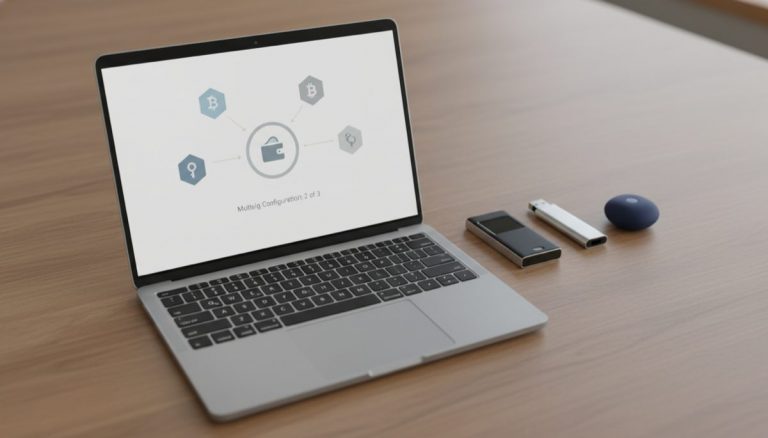
Modern Bitcoin custody solutions often implement multi-signature (multisig) schemes, requiring multiple independent keys to authorize transactions. This approach distributes risk across multiple storage locations or entities, significantly reducing the impact of any single point of compromise. Institutional custody solutions have further evolved this concept, implementing sophisticated governance frameworks and geographic distribution of key fragments.
The consideration of physical security cannot be overlooked in a comprehensive Bitcoin security strategy. While digital threats often dominate security discussions, physical attacks ranging from theft to sophisticated extraction attempts pose real risks, particularly for high-value holdings. This necessitates careful consideration of physical security measures, including secure storage locations, access controls, and disaster recovery procedures.
Privacy considerations intersect significantly with security architecture in the Bitcoin context. The transparent nature of the blockchain means that transaction patterns can reveal relationships between addresses, potentially compromising the privacy of both hot and cold storage solutions. Implementation of proper coin control practices and careful management of address reuse becomes crucial for maintaining financial privacy.
The human element remains one of the most critical aspects of Bitcoin security architecture. Social engineering attacks, insider threats, and simple human error often pose greater risks than technical vulnerabilities. Proper security protocols must therefore include comprehensive training, clear operational procedures, and regular security audits to maintain effectiveness over time.
The future of Bitcoin security architecture continues to evolve, with emerging technologies like MPC (Multi-Party Computation) and new standards for key management promising to further enhance both security and usability. However, the fundamental principles of risk management and defense in depth remain constant, requiring careful balance between security, accessibility, and operational complexity.
In conclusion, effective Bitcoin security architecture requires a holistic approach that considers technical, operational, and human factors. The implementation of appropriate security measures must be tailored to specific use cases and risk profiles, with regular review and updates to address emerging threats and technological advances. As the value and adoption of Bitcoin continue to grow, the importance of robust security architecture will only increase, driving further innovation in both technical solutions and operational best practices.
Broader security architecture matters — review Air-Gapped to Quantum: Bitcoin Security.
For a complete security picture, see Bitcoin Cold Storage Security: Key Risks.
Broader security architecture matters — review Bitcoin Inheritance: The Privacy Paradox.
For a complete security picture, see Bitcoin Cold Storage: Design Best Practices.
For a complete security picture, see Bitcoin Wallet Sync: Security Deep Dive.
Understanding seed security is foundational — read about Hardware Wallet Seed Phrase Migration: Step by Step.
For a broader perspective, explore our Bitcoin privacy techniques guide.
Step-by-Step Guide
Establishing a robust Bitcoin security architecture requires a structured approach that balances cold and hot storage based on your transaction patterns and risk tolerance. This guide covers the complete setup from selecting hardware wallets to configuring a multi-tier custody system.
Step 1: Assess Your Security Requirements. Before purchasing any hardware, map out your Bitcoin usage patterns. Determine what percentage of your holdings you access regularly for spending versus long-term savings. A common allocation is 5-10% in hot wallets for daily transactions and 90-95% in cold storage for long-term holding. Document your threat model: consider physical theft, remote hacking, device failure, inheritance scenarios, and government seizure risks specific to your situation.
Step 2: Acquire and Verify a Hardware Wallet. Purchase a hardware wallet directly from the manufacturer—never from third-party resellers on Amazon or eBay, as tampered devices have been documented. When the device arrives, inspect the tamper-evident packaging. During initial setup, the device generates a new seed phrase using its internal random number generator. Write this seed phrase on metal backup plates rather than paper, which is vulnerable to fire and water damage. Verify the device firmware version against the manufacturer’s official release before proceeding.
Step 3: Generate and Secure Your Seed Phrase Backup. Use a metal seed storage solution such as a Seedplate or Cryptosteel to stamp or engrave your 12 or 24-word recovery phrase. Store this backup in a secure location separate from your hardware wallet—a home safe, safety deposit box, or geographically distributed storage depending on your threat model. Consider adding a BIP39 passphrase (the “25th word”) for an additional layer of protection, but document this passphrase separately and securely, as losing it means permanent loss of access.
Step 4: Configure Your Hot Wallet for Daily Use. Install a reputable mobile wallet such as Blue Wallet, Muun, or Phoenix for everyday Bitcoin transactions. Fund this wallet with only the amount you expect to spend within a short period. Connect the wallet to your own Bitcoin node if possible to prevent address leakage to third-party servers. Enable any available security features such as biometric authentication and transaction PIN requirements.
Step 5: Implement a Transfer Protocol Between Storage Tiers. Establish a standard procedure for moving Bitcoin between your hot and cold storage. When your hot wallet balance runs low, initiate a transfer from cold storage using your hardware wallet with a dedicated computer or verified wallet software like Sparrow. Verify the receiving address on the hardware wallet’s screen before signing. For large transfers, send a small test transaction first and confirm receipt before moving the full amount.
Step 6: Test Your Recovery Process. Before depositing significant funds, verify that your backup recovery works. Use a second device or a different wallet application to restore from your seed phrase and confirm that the derived addresses match your original wallet. This test ensures your backup is correct and your recovery procedure is documented accurately. Repeat this verification annually or whenever you change your backup configuration.
Common Mistakes to Avoid
1. Storing Seed Phrases Digitally. Taking photos of your seed phrase, saving it in a notes app, emailing it to yourself, or storing it in cloud storage exposes your backup to remote attacks. Malware, cloud breaches, and device theft can all compromise digital copies. Seed phrases should exist only on physical media stored in secure locations that you control.
2. Using a Single Point of Failure for Large Holdings. Relying on a single hardware wallet and a single seed phrase backup creates catastrophic risk if either is lost, stolen, or destroyed. For holdings above a meaningful threshold, implement a multisignature setup requiring 2-of-3 or 3-of-5 keys to authorize transactions. Distribute these keys across different hardware wallet brands and geographic locations.
3. Reusing Addresses Across Transactions. Each Bitcoin address should ideally be used only once. Address reuse allows blockchain observers to link multiple transactions to a single entity, degrading your privacy and making your total balance visible. Modern wallet software generates new addresses automatically—ensure this feature is enabled and do not manually reuse old receiving addresses.
4. Neglecting Firmware Updates on Hardware Wallets. Outdated firmware may contain known vulnerabilities that attackers can exploit through physical access or malicious transaction crafting. Check for firmware updates quarterly and apply them through the manufacturer’s official companion app. Always verify update authenticity through the manufacturer’s signing keys or checksums before installation.
5. Failing to Plan for Inheritance. If you are incapacitated or die without an accessible recovery plan, your Bitcoin holdings may be permanently lost. Create a documented inheritance plan that includes seed phrase locations, passphrase information, hardware wallet PINs, and step-by-step instructions for a trusted person. Consider using a timelock-based dead man’s switch or a lawyer-mediated key distribution scheme.
Hardware Wallets Explained from the
Bitcoin Wallets & Self-Custody course.
Frequently Asked Questions
What is the difference between a hardware wallet and a cold wallet?
A cold wallet is any storage method that keeps private keys offline—this includes hardware wallets, paper wallets, air-gapped computers, and even metal seed backups. A hardware wallet is a specific type of cold wallet: a purpose-built device with a secure element chip designed to sign transactions without ever exposing private keys to a connected computer. Hardware wallets are the most practical and secure form of cold storage for most users because they enable transaction signing while maintaining key isolation.
How often should I move Bitcoin between hot and cold storage?
Minimize transfers between tiers because each on-chain transaction creates a blockchain record that can be analyzed, and each transfer incurs a mining fee. A practical approach is to fund your hot wallet with enough for one to two weeks of expected spending. Refill from cold storage only when the hot wallet balance drops below your minimum threshold. For large cold storage holdings, batch multiple outgoing payments into a single session to reduce transaction frequency and fees.
Can a hardware wallet be hacked through its USB connection?
Reputable hardware wallets are designed so that private keys never leave the secure element, even when connected via USB. The USB connection transmits unsigned transaction data to the device and signed transaction data back to the computer. Physical side-channel attacks have been demonstrated in laboratory conditions against certain devices, but these require prolonged physical access and specialized equipment. For most users, the primary attack vectors are supply-chain tampering and social engineering rather than USB exploitation.
Is a multisig setup worth the added complexity?
For holdings that represent a significant portion of your net worth, multisig provides meaningful security improvements by eliminating single points of failure. A 2-of-3 multisig setup means an attacker must compromise two separate devices in different locations to steal funds. The trade-off is operational complexity: every transaction requires coordination between multiple signing devices, and losing more keys than your threshold allows means permanent fund loss. Services like Unchained Capital and Nunchuk simplify multisig management for users who want the security benefits without building the infrastructure themselves.
Related Resources
- Hardware Wallet Buying Guide 2026 — Comprehensive comparison of current hardware wallet options and features.
- Bitcoin Seed Phrase Security — In-depth guide to generating, backing up, and protecting your recovery phrase.
- Bitcoin Cold Storage and Multi-Signature Security — Technical analysis of multisig architectures and cold storage strategies.
- Bitcoin Cold Storage: Design Best Practices — Architectural considerations for designing long-term cold storage solutions.
- Bitcoin Inheritance and Cold Storage Planning — Balancing security complexity with usability for inheritance scenarios.
{“@context”: “https://schema.org”, “@type”: “FAQPage”, “mainEntity”: [{“@type”: “Question”, “name”: “What is the difference between a hardware wallet and a cold wallet?”, “acceptedAnswer”: {“@type”: “Answer”, “text”: “A cold wallet is any storage method that keeps private keys offline—this includes hardware wallets, paper wallets, air-gapped computers, and even metal seed backups. A hardware wallet is a specific type of cold wallet: a purpose-built device with a secure element chip designed to sign transactions without ever exposing private keys to a connected computer. Hardware wallets are the most practical and secure form of cold storage for most users because they enable transaction signing while maint…”}}, {“@type”: “Question”, “name”: “How often should I move Bitcoin between hot and cold storage?”, “acceptedAnswer”: {“@type”: “Answer”, “text”: “Minimize transfers between tiers because each on-chain transaction creates a blockchain record that can be analyzed, and each transfer incurs a mining fee. A practical approach is to fund your hot wallet with enough for one to two weeks of expected spending. Refill from cold storage only when the hot wallet balance drops below your minimum threshold. For large cold storage holdings, batch multiple outgoing payments into a single session to reduce transaction frequency and fees.”}}, {“@type”: “Question”, “name”: “Can a hardware wallet be hacked through its USB connection?”, “acceptedAnswer”: {“@type”: “Answer”, “text”: “Reputable hardware wallets are designed so that private keys never leave the secure element, even when connected via USB. The USB connection transmits unsigned transaction data to the device and signed transaction data back to the computer. Physical side-channel attacks have been demonstrated in laboratory conditions against certain devices, but these require prolonged physical access and specialized equipment. For most users, the primary attack vectors are supply-chain tampering and social e…”}}, {“@type”: “Question”, “name”: “Is a multisig setup worth the added complexity?”, “acceptedAnswer”: {“@type”: “Answer”, “text”: “For holdings that represent a significant portion of your net worth, multisig provides meaningful security improvements by eliminating single points of failure. A 2-of-3 multisig setup means an attacker must compromise two separate devices in different locations to steal funds. The trade-off is operational complexity: every transaction requires coordination between multiple signing devices, and losing more keys than your threshold allows means permanent fund loss. Services like Unchained Capi…”}}]}