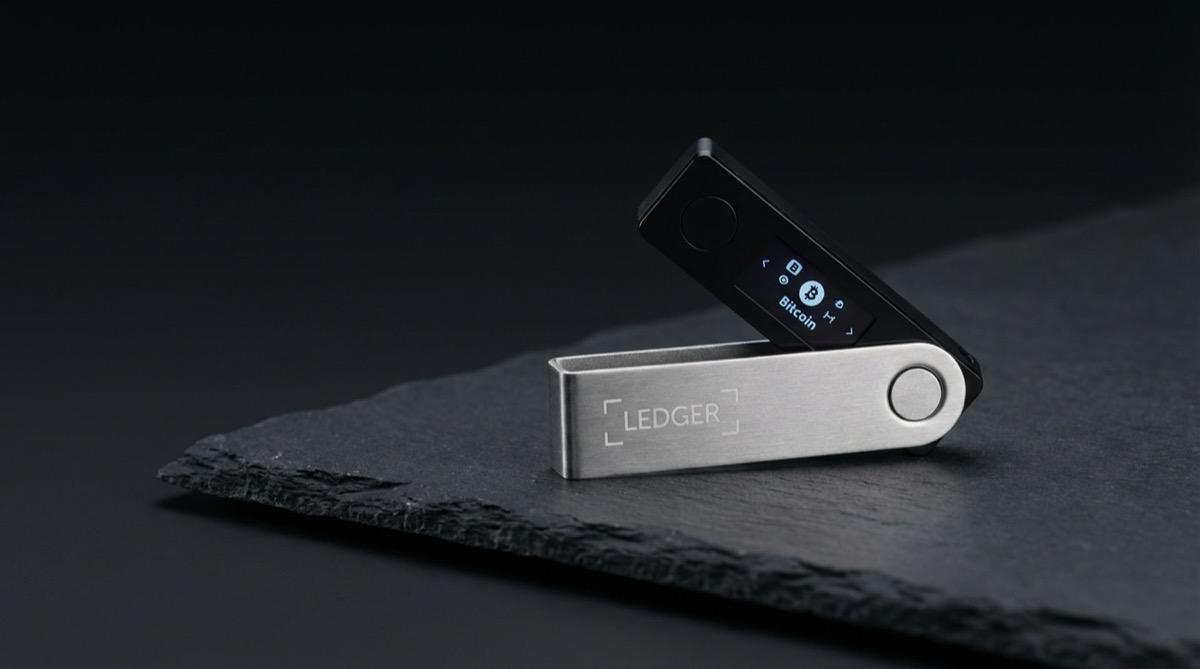
The Ledger Nano X remains one of the most recognized hardware wallets on the market heading into 2026. With Bluetooth connectivity, a proven secure element, and support for over 5,500 cryptocurrencies, it has built a loyal following among both beginners and experienced holders. But with Ledger’s newer Flex and Stax devices now available — and strong competition from Trezor and Coldcard — is the Nano X still a smart buy? This review breaks down exactly what you get, what you don’t, and who this device is best suited for today.
Ledger vs Trezor: Best Hardware Wallet from the
Bitcoin Wallets & Self-Custody course.
Ledger Nano X Specifications
| Feature | Details |
|---|---|
| Price | $149 |
| Release year | 2019 (still in production) |
| Connectivity | USB-C and Bluetooth |
| Screen | 128×64 pixel OLED |
| Secure element | ST33J2M0 (CC EAL5+) |
| Battery | 100 mAh lithium-ion |
| App storage | Up to 100 apps simultaneously |
| Coin support | 5,500+ cryptocurrencies |
| Dimensions | 72mm × 18.6mm × 11.75mm |
| Weight | 34g |
| Firmware | Closed source (BOLOS OS) |
| Companion app | Ledger Live (desktop + mobile) |
Key Features
Bluetooth for Mobile Management
The Nano X’s defining feature is Bluetooth connectivity. Pair it with the Ledger Live mobile app on iOS or Android, and you can check balances, receive bitcoin, and sign transactions from your phone — no cable needed. Bluetooth communication is encrypted, and private keys never leave the secure element regardless of how you connect. For users who want to manage their holdings on the go, this is a genuine convenience advantage over USB-only devices.
Secure Element Chip
Like all Ledger devices, the Nano X uses an ST33J2M0 secure element certified to Common Criteria EAL5+. This is the same class of chip found in banking cards and passports. It stores your private keys in a tamper-resistant environment, protecting against physical extraction attacks, voltage glitching, and side-channel analysis. For more on how secure elements protect your keys, see our guide on hardware wallet firmware security.
Ledger Live Ecosystem
Ledger Live is one of the most polished companion apps in the hardware wallet space. Beyond basic send and receive, it offers built-in buying, swapping, staking, and DeFi access for supported coins. If you hold multiple cryptocurrencies beyond Bitcoin, this integrated ecosystem is a significant selling point.
Multi-Currency Support
With support for over 5,500 coins and tokens and space for up to 100 apps simultaneously, the Nano X handles virtually every cryptocurrency you might hold. Bitcoin-only users won’t benefit much from this, but multi-coin holders will appreciate not needing separate devices.
Pros and Cons
Pros
- Bluetooth connectivity — the only major hardware wallet with wireless mobile support
- Proven track record — millions sold since 2019 with no successful remote exploits
- EAL5+ secure element — bank-grade tamper resistance
- Ledger Live integration — polished app with buy, swap, and staking built in
- Wide coin support — 5,500+ assets for multi-coin portfolios
- Available in many countries — global shipping from Ledger’s online store
Cons
- Closed-source firmware — you cannot independently audit what runs on the secure element
- Small OLED screen — verifying full Bitcoin addresses requires scrolling character by character
- Battery degrades over time — some early units experienced battery swelling issues (Ledger offers replacements)
- Ledger Recover controversy — the firmware technically supports seed extraction (opt-in only, but it raised trust concerns)
- 2020 customer data breach — personal data from Ledger’s e-commerce database was leaked, leading to phishing and physical threats against customers
- Not Bitcoin-only — no firmware variant that strips down to Bitcoin support only
Ledger Nano X vs Alternatives
Nano X vs Ledger Flex
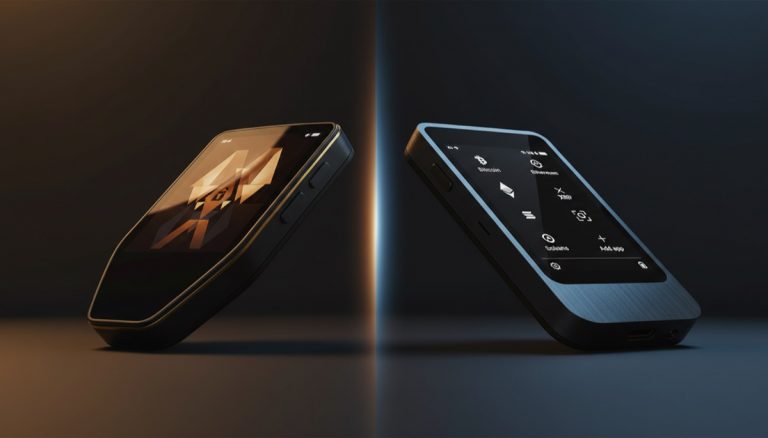
The Ledger Flex ($249) upgrades to a 2.84″ E-ink touchscreen with an EAL6+ secure element. Address verification is dramatically easier — you see full addresses without scrolling. If usability matters to you and the $100 premium fits your budget, the Flex is the better Ledger. If you specifically want Bluetooth mobile management at the lowest price, the Nano X remains the entry point.
Nano X vs Trezor Safe 5
The Trezor Safe 5 ($169) offers a color touchscreen, haptic feedback, an EAL6+ secure element, and fully open-source firmware. The open-source aspect is the key differentiator — you can verify exactly what code runs on your device. The Nano X counters with Bluetooth and broader coin support. For Bitcoin-focused users who value transparency, the Safe 5 is the stronger choice.
Nano X vs Coldcard MK4
The Coldcard MK4 (~$178) is a different animal entirely. Bitcoin-only, air-gapped via microSD, dual secure elements, and fully open-source firmware. It’s designed for security maximalists who don’t need Bluetooth or altcoin support. If your priority is maximum Bitcoin security and you’re comfortable with a steeper learning curve, the Coldcard is hard to beat.
Who Should Buy the Ledger Nano X?
The Nano X fits a specific user profile: someone who holds multiple cryptocurrencies, wants mobile wallet management via Bluetooth, and prefers a well-established brand with a polished app ecosystem. It’s also a solid choice for beginners who value ease of setup over open-source transparency.
If you’re strictly a Bitcoin holder, devices like the Trezor Safe 5 or Coldcard MK4 offer stronger value propositions. And if you’re already in the Ledger ecosystem but want a better screen experience, the Flex is worth the upgrade. For a full breakdown of every option, see our hardware wallet buying guide.
Verdict
The Ledger Nano X is a mature, reliable hardware wallet that does what it promises. Bluetooth works well, Ledger Live is excellent, and the secure element is battle-tested. But in 2026, it’s showing its age. The small screen makes address verification tedious, the closed-source firmware remains a trust tradeoff, and the Recover controversy added a layer of skepticism that hasn’t fully faded. At $149, it’s not cheap for what’s essentially a 2019 design — the Flex at $249 or the Trezor Safe 5 at $169 both offer meaningfully better experiences.
Rating: 7/10 — Still reliable, but no longer the obvious recommendation it once was.
Frequently Asked Questions
Is the Ledger Nano X safe to use in 2026?
Yes. No remote exploit has ever successfully stolen funds from a Ledger Nano X. The secure element protects private keys even if your computer is compromised. The main controversy — Ledger Recover — is an opt-in service that you never need to activate. As long as you buy directly from Ledger, verify the device upon receipt, and keep firmware updated, the Nano X remains secure for everyday use.
Does the Ledger Nano X support Bitcoin-only mode?
No. Unlike Trezor (which offers Bitcoin-only firmware) or Coldcard (which only supports Bitcoin by design), the Nano X always runs Ledger’s multi-coin BOLOS operating system. You can choose to only install the Bitcoin app, but the underlying firmware still supports other assets.
How long does the Ledger Nano X battery last?
Under typical Bluetooth use, the battery lasts about 8 hours of active use. When connected via USB-C, the battery charges and the device operates without draining it. Some users have reported battery degradation after 2-3 years — Ledger has acknowledged this and provides replacement units in affected cases.
Should I buy the Nano X or the Ledger Flex?
If budget allows, the Flex is the better purchase. The E-ink touchscreen makes address verification dramatically easier and faster, and the EAL6+ secure element is a generation ahead. The Nano X only makes sense if you specifically need the lower $149 price point or prefer the smaller USB-stick form factor.
For more hardware wallet comparisons, check our hardware wallet comparison chart and our detailed self-custody setup guide.