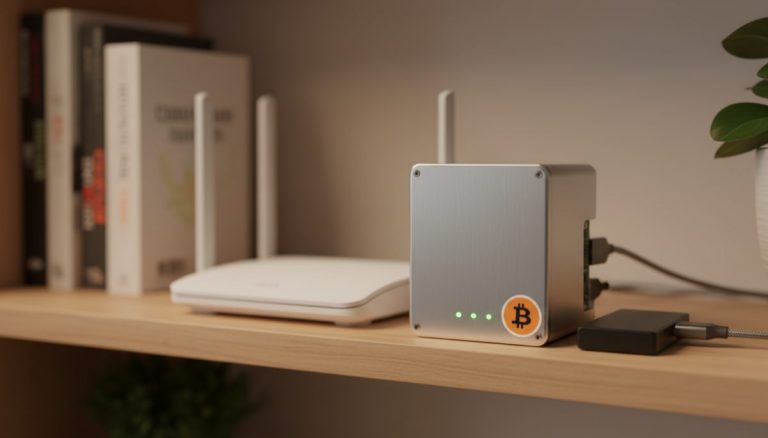

The Bitcoin network stands at a crucial intersection where the fundamental principles of decentralization and network efficiency face mounting challenges from emerging use cases that stretch beyond simple monetary transactions. This comprehensive analysis explores the technical and philosophical implications of various data embedding practices and their impact on Bitcoin’s network infrastructure.
The increasing prevalence of non-monetary data storage on the Bitcoin blockchain presents a significant challenge to the network’s original design principles. While Bitcoin’s protocol flexibility allows for various forms of data embedding, the growing adoption of these practices raises important questions about network sustainability and node operation costs. For a deeper look at this topic, see our guide on self-sovereign Bitcoin node operation. The utilization of witness data discounts, originally implemented to encourage SegWit adoption, has created an unintended avenue for cost-effective data storage that may impact the network’s primary function as a monetary system.
Node operation requirements have evolved dramatically over recent years, with the expanding UTXO set size becoming a particular concern for network participants. What was once possible on modest hardware like the Raspberry Pi 4 now demands increasingly powerful systems, potentially threatening the network’s decentralization by raising the barrier to entry for new node operators. This trend directly conflicts with Bitcoin’s fundamental principle of accessibility and self-sovereignty.
The role of filtering mechanisms in maintaining network health has become increasingly important. Bitcoin implementations like Bitcoin Knots have implemented various filtering policies to manage non-standard transactions and limit data carrier sizes. These include restrictions on OP_RETURN data size, non-standard transaction rejection, and strict script verification policies. Such measures represent a grassroots approach to maintaining Bitcoin’s primary purpose as a monetary network.
The technical architecture of Bitcoin nodes faces growing pressure from various data embedding techniques. The witness discount, originally implemented to encourage SegWit adoption, has become an attractive target for non-monetary uses due to its reduced fee structure. We explore this in detail in our article on Bitcoin address types. This has led to debates about the long-term implications of such practices on network sustainability and the potential need for protocol-level responses.
The community’s response to these challenges has largely focused on technical solutions at the node level. While filtering policies provide immediate relief, the broader discussion encompasses potential protocol-level solutions like Utreexo. However, these proposed solutions often involve complex trade-offs between efficiency, trustlessness, and backward compatibility. The community must carefully weigh these considerations against Bitcoin’s fundamental principles.
Looking forward, the Bitcoin network faces critical decisions about how to balance innovation with network health. While technical solutions like improved filtering mechanisms offer immediate benefits, the long-term solution may require a combination of technical implementations and community consensus about acceptable blockchain usage. The challenge lies in maintaining Bitcoin’s decentralized nature while ensuring its primary function as a monetary network remains uncompromised.
The path forward likely involves continued refinement of node-level filtering policies while exploring protocol-level solutions that don’t compromise Bitcoin’s core principles. The community’s ability to address these challenges while maintaining network decentralization will be crucial for Bitcoin’s long-term success as a global monetary system.
Step-by-Step Guide
Maintaining a healthy Bitcoin node requires regular monitoring, timely software updates, and proactive management of system resources. The following steps outline a comprehensive maintenance routine for node operators.
- Check your node’s synchronization and peer status
Run
bitcoin-cli getblockchaininfoto verify your node is fully synced by confirminginitialblockdownloadisfalseandverificationprogressis near 1.0. Then runbitcoin-cli getnetworkinfoto check the number of connections and verify both inbound and outbound peers are connected. A healthy node typically maintains 8-10 outbound connections and accepts inbound connections up to the configured maximum. If connection counts are unusually low, investigate network or firewall issues. - Review Bitcoin Core debug logs for warnings
Examine the debug.log file located in your Bitcoin data directory (typically
~/.bitcoin/debug.log). Search for entries containing “WARNING,” “ERROR,” or “UpdateTip” to identify any consensus issues, peer connection problems, or database errors. Pay attention to repeated warnings about peer disconnections, which may indicate network configuration problems, and messages about blocks being rejected, which could signal time synchronization or data corruption issues. Usetail -f debug.logfor real-time monitoring. - Monitor disk usage and plan for blockchain growth
Check available disk space with
df -hand compare it against the current blockchain size. The Bitcoin blockchain grows by approximately 50-80 GB per year. For a full archival node, ensure you have at least 100 GB of free space beyond the current blockchain size to accommodate growth over the next year. If running a pruned node, verify the pruning target withbitcoin-cli getblockchaininfoand confirm theprune_target_sizeis appropriate for your available storage. - Verify and apply Bitcoin Core updates
Check your current version with
bitcoin-cli --versionand compare it against the latest release on bitcoincore.org. When a new version is available, download the release files, verify PGP signatures and SHA256 checksums, then plan the upgrade. Stop the running node withbitcoin-cli stop, wait for a clean shutdown (watch the debug.log for “Shutdown: done”), replace the binaries, and restart. Read the release notes before upgrading to understand any configuration changes or new features. - Audit your node’s mempool policy and filtering settings
Review your bitcoin.conf for mempool-related settings. Key parameters include
maxmempool(default 300 MB),mempoolexpiry(default 336 hours), andminrelaytxfee. If you want to filter non-standard transactions, consider running Bitcoin Knots instead of Bitcoin Core, or configurepermitbaremultisig=0anddatacarriersize=40to limit OP_RETURN data. Runbitcoin-cli getmempoolinfoto see current mempool size and transaction counts. - Check system resource utilization
Monitor CPU usage, memory consumption, and disk I/O generated by the bitcoind process. On Linux, use
htoporsystemctl status bitcoindto check resource usage. Bitcoin Core typically uses 1-3 GB of RAM during normal operation (more with higher dbcache settings). Sustained high CPU usage outside of IBD may indicate reindexing triggered by database corruption. High disk I/O can signal an undersized dbcache forcing frequent disk writes. - Test your backup and recovery procedures
If your node stores wallet data, verify that wallet backups are current and recoverable. Use
bitcoin-cli backupwallet /path/to/backup/wallet.datto create a fresh backup. For descriptor wallets, export the descriptors withbitcoin-cli listdescriptors trueand store the output securely. Test recovery by loading the backup on a separate machine. For nodes without wallets, back up your bitcoin.conf and any custom scripts. Document the full recovery process so you can rebuild the node from scratch if hardware fails. - Establish a recurring maintenance schedule
Set calendar reminders for weekly log reviews, monthly disk space checks, and quarterly full system audits. Track your node’s uptime and connection quality over time to identify degradation patterns. Subscribe to the bitcoin-core-announce mailing list for release notifications and security advisories. Participate in the Bitcoin Core release candidate testing when possible — this helps the network and gives you advance familiarity with upcoming changes.
Common Mistakes to Avoid
Running an Outdated Bitcoin Core Version for Extended Periods
Some operators install Bitcoin Core once and never update it. Older versions may contain known vulnerabilities, lack performance improvements, and miss protocol enhancements that affect network compatibility. While Bitcoin Core maintains backward compatibility aggressively, running a version more than two major releases behind introduces unnecessary risk. Check for updates monthly and plan upgrades within a few weeks of each stable release.
Ignoring Disk Space Until the Node Crashes
When a Bitcoin node runs out of disk space, the LevelDB databases that store chainstate and block index data can become corrupted. Recovery from database corruption requires a full reindex, which takes many hours on even fast hardware. Set up automated monitoring that alerts you when free disk space drops below a defined threshold (e.g., 50 GB for an archival node). Proactive disk management prevents the most common cause of extended node downtime.
Restarting the Node Forcefully Instead of Using bitcoin-cli stop
Killing the bitcoind process with kill -9 or pulling the power plug during operation bypasses Bitcoin Core’s shutdown procedure, which flushes cached data to disk and closes databases cleanly. This increases the risk of database corruption. Always shut down with bitcoin-cli stop and wait for the process to exit completely — this can take 30 seconds to several minutes depending on the dbcache size. Check that the process has exited before restarting.
Not Monitoring Peer Connection Quality
A node with connections but poor-quality peers may still lag behind the network tip or relay transactions slowly. Use bitcoin-cli getpeerinfo to inspect individual peer connections. Look for peers with very high latency (pingtime > 2 seconds), peers sending many banned messages, or peers on very old software versions. Manually disconnect problematic peers with bitcoin-cli disconnectnode and consider using addnode to connect to known reliable peers.
Applying Configuration Changes Without Understanding Their Effects
Copying bitcoin.conf settings from online guides without understanding their implications can degrade performance or security. For example, setting dbcache=8192 on a machine with only 8 GB of RAM will cause swap thrashing and severely slow the node. Setting rpcallowip=0.0.0.0/0 exposes the RPC interface to the internet. Read the Bitcoin Core documentation for each setting you modify and test changes on a non-critical system when possible.
Frequently Asked Questions
How often should I update Bitcoin Core?
Update to each new major release (e.g., 27.0 to 28.0) within a few weeks of its stable release. Major releases occur roughly every six to eight months. Minor releases (e.g., 27.1, 27.2) typically contain security fixes and should be applied promptly, ideally within days of release. You do not need to run release candidates in production, but testing them on a secondary node helps the development process and familiarizes you with changes before they reach stable.
What should I do if my node’s database becomes corrupted?
First, stop bitcoind cleanly. Then try starting with the -reindex flag, which rebuilds the block index and chainstate from the raw block data on disk. This process preserves your downloaded blocks but rebuilds all indexes from scratch, taking several hours to a full day depending on hardware. If reindex fails, delete the chainstate and blocks/index directories and restart bitcoind to trigger a fresh IBD. Keep your bitcoin.conf and wallet files — only the blockchain databases need rebuilding.
How can I tell if my node is contributing meaningfully to the network?
Run bitcoin-cli getnetworkinfo and check the connections_in field. Nodes accepting incoming connections serve block and transaction data to other peers, directly contributing to network resilience. Verify your node appears on bitnodes.io by searching for your IP address or onion address. A well-connected node with 50+ total connections (both inbound and outbound), up-to-date software, and consistent uptime provides meaningful value to the Bitcoin network’s decentralization and data availability.
Is it safe to run other applications on the same machine as my Bitcoin node?
Yes, with caveats. A fully synced Bitcoin node uses moderate resources during normal operation: 1-3 GB of RAM, minimal CPU, and intermittent disk I/O. However, resource contention during high-mempool-activity periods or when processing large blocks can cause latency for both the node and co-located applications. Avoid running memory-intensive applications that could force bitcoind into swap. If the machine also holds wallet private keys, minimize additional software to reduce the attack surface.
What is Bitcoin Knots and how does it differ from Bitcoin Core?
Bitcoin Knots is an alternative Bitcoin full node implementation maintained by Luke Dashjr, based on Bitcoin Core with additional features and stricter default policies. Key differences include tighter transaction filtering (smaller default datacarriersize, rejection of certain non-standard scripts), additional RPC commands, and GUI enhancements. Knots follows Bitcoin Core’s release cycle but adds patches that reflect a more conservative approach to mempool policy. Operators concerned about non-monetary blockchain usage often prefer Knots for its stricter default filtering.
Related Resources
- The Evolution and Challenges of Bitcoin Node Operation: Balancing Network Health with Protocol Innovation
- The Evolution and Challenges of Bitcoin Node Software: A Technical Analysis
- Running Bitcoin Nodes: A Comprehensive Guide to Network Participation and Decentralization
- The Privacy and Sovereignty Implications of Running a Bitcoin Node
- Security Best Practices in Bitcoin Node Operation: Trust, Verification, and System Integrity
For more on this topic, see our guide on Lightning Node Mobile Integration Guide.
For more on this topic, see our guide on Bitcoin Mining as Non-KYC Acquisition. Full sovereignty starts with your own node — explore Bitcoin Node Privacy and Accessibility.
For more on this topic, see our guide on Hardware Wallet Buying Guide 2026. Node operators can benefit from understanding Wallet Privacy and Node Connection Guide.
Node operators can benefit from understanding Run a Bitcoin Node: Full Setup Guide.
Verifying transactions yourself requires a node — see Listening vs Non-Listening Nodes Explained.