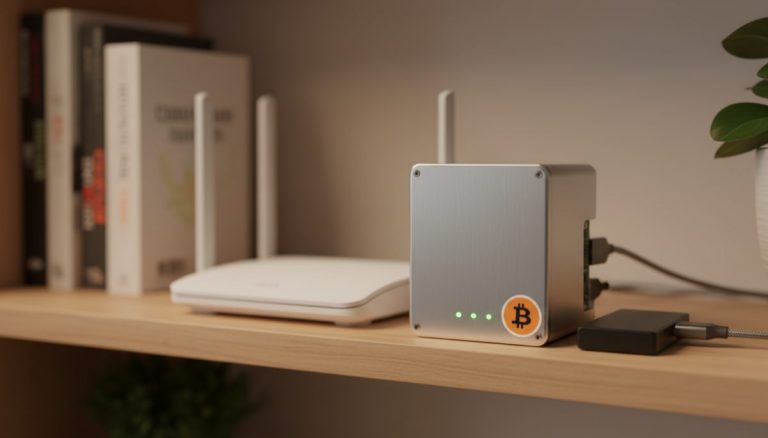
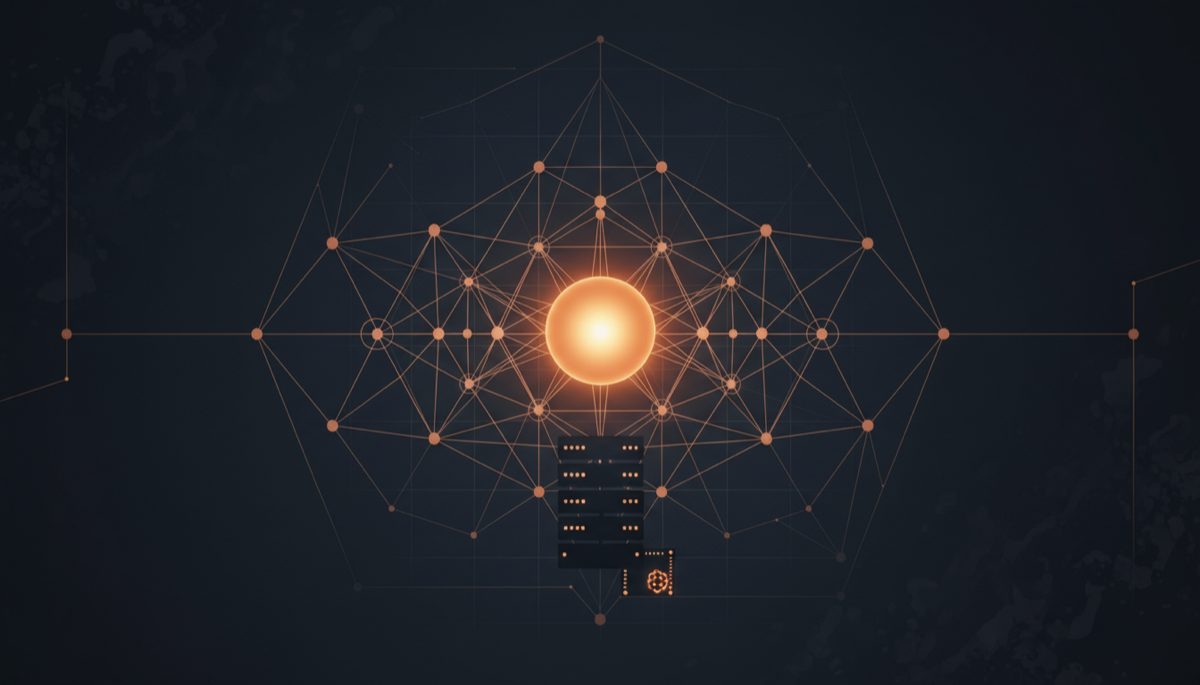
The journey toward true Bitcoin sovereignty begins with running a full node, representing one of the most fundamental ways to participate in the Bitcoin network while enhancing personal financial autonomy. This comprehensive analysis explores the technical architecture, practical implications, and broader significance of operating Bitcoin nodes in the modern cryptocurrency ecosystem.
Running a Bitcoin node serves as the cornerstone of network decentralization, allowing participants to independently verify transactions and maintain a complete copy of the blockchain without relying on third-party services. This direct network participation fundamentally strengthens Bitcoin’s security model while providing operators with unmatched privacy and trust minimization benefits. The technical architecture supporting this capability represents a fascinating intersection of cryptography, distributed systems, and economic incentives.
The evolution of node implementation solutions has dramatically improved accessibility, with modern options like Umbrel providing user-friendly interfaces while maintaining robust security. These implementations abstract much of the underlying complexity while still delivering the core benefits of running a node. However, understanding the technical stack remains crucial for optimal operation and troubleshooting. The node architecture typically consists of multiple interconnected components, including the Bitcoin Core client, electrum servers for wallet connectivity, and various supporting services that enhance functionality.
Electrum servers play a particularly crucial role in the node ecosystem by bridging the gap between full nodes and lightweight wallets. These servers index the blockchain in a way that enables efficient querying of transaction histories and unspent transaction outputs (UTXOs), making them essential for practical wallet integration. The relationship between nodes, electrum servers, and wallets highlights the layered approach to Bitcoin’s architecture, where each component serves a specific purpose while maintaining security and decentralization.
Privacy considerations represent another critical aspect of node operation. By running a personal node, users avoid leaking sensitive transaction data to third-party servers, maintaining financial privacy in an increasingly surveilled digital landscape. This privacy enhancement extends beyond individual transactions to include broader network participation patterns, protecting users from various forms of surveillance and analysis.
The technical challenges of node operation often center around initial synchronization, resource management, and maintaining reliable connectivity. Modern hardware capabilities have largely resolved historical storage and processing constraints, but operators must still carefully consider factors like bandwidth usage, system resources, and maintenance requirements. These practical considerations influence both the initial setup process and ongoing operational stability.
Security implications of node operation extend far beyond individual privacy benefits. Each independently operated node strengthens Bitcoin’s consensus mechanisms by increasing the number of network participants actively verifying transactions and blocks. This distributed validation makes the network more resistant to various forms of attack while ensuring no single entity can unilaterally alter the protocol rules.
The relationship between nodes and wallet software represents a critical interface in the Bitcoin ecosystem. Modern wallet implementations like Sparrow provide sophisticated features while maintaining security through connection to personal nodes. This integration allows users to combine the convenience of feature-rich wallet software with the security and privacy benefits of running their own node.
Looking toward the future, node operation continues to evolve with technological advances and growing network requirements. Developments in areas like pruned nodes, alternative synchronization methods, and improved indexing systems promise to further enhance the accessibility and efficiency of node operation. These advances will prove crucial as Bitcoin adoption grows and network demands increase.
The significance of personal node operation extends beyond technical considerations into the philosophical realm of monetary sovereignty. By running a node, participants take direct custody of their financial verification capabilities, reducing reliance on trusted third parties and embodying Bitcoin’s core principles of decentralization and individual empowerment. This alignment of technical capability with philosophical principles represents one of Bitcoin’s most powerful attributes.
In conclusion, running a Bitcoin node represents a fundamental expression of network participation that combines technical sophistication with practical utility. As the ecosystem continues to mature, the importance of independent node operation will likely grow, cementing its role as a cornerstone of Bitcoin’s decentralized architecture. Understanding and implementing proper node operation practices remains crucial for anyone seeking to fully participate in the Bitcoin network while maintaining optimal security and privacy.
For more on this topic, see our guide on Lightning Network Regulation: Access Challenges.
For more on this topic, see our guide on Hardware Wallet Buying Guide 2026. Full sovereignty starts with your own node — explore Bitcoin Full Node Setup: Best Practices.
Verifying transactions yourself requires a node — see Home Bitcoin Node: Privacy and Setup Guide.
Node operators can benefit from understanding Bitcoin Node Infrastructure: Security Setup.
Verifying transactions yourself requires a node — see Bitcoin Wallet Infrastructure: Nodes and Security.
Node operators can benefit from understanding Bitcoin Wallet-Node Sync: How It Works.
Node operators can benefit from understanding Bitcoin Node Solutions: Self-Sovereign Setup Guide.
For a broader perspective, explore our running your own Bitcoin node guide.
Step-by-Step Guide
Setting up and operating your own Bitcoin full node requires methodical preparation and execution. This guide walks through the essential steps from hardware selection to full network participation.
Step 1: Choose Your Hardware Platform. Select dedicated hardware for your node. A Raspberry Pi 4 (4GB+ RAM) offers an affordable entry point, while a used mini-PC with an Intel NUC-class processor provides better performance during initial block download (IBD). Ensure you have at least 1TB of SSD storage — spinning drives will bottleneck synchronization significantly. An SSD connected via USB 3.0 or internal SATA/NVMe is essential for reasonable sync times.
Step 2: Install Your Operating System. Flash Ubuntu Server 22.04 LTS or Debian 12 onto your device. For plug-and-play solutions, Umbrel OS or Start9’s StartOS can be written directly to a microSD card. If using a bare Linux install, update all packages with sudo apt update && sudo apt upgrade and configure SSH access for remote management before proceeding.
Step 3: Install Bitcoin Core. Download Bitcoin Core from bitcoincore.org. Verify the release signature using GPG against the known developer keys listed on the site. Extract the binaries and copy them to /usr/local/bin/. Create a dedicated bitcoin.conf configuration file in ~/.bitcoin/ with settings for server=1, txindex=1 (if you plan to run an Electrum server), and appropriate dbcache values matching your available RAM.
Step 4: Configure Network and Firewall. Open port 8333 (mainnet) on your router and firewall to allow inbound connections from other nodes. This makes your node a “listening node” that actively contributes to network health. If privacy is a priority, configure Tor by installing it with sudo apt install tor and adding proxy=127.0.0.1:9050 to your bitcoin.conf.
Step 5: Start Initial Block Download (IBD). Launch Bitcoin Core with bitcoind -daemon. The IBD process downloads and validates the entire blockchain history — approximately 550GB as of 2026. On modest hardware, this process takes 3-7 days. Monitor progress with bitcoin-cli getblockchaininfo and check the verificationprogress field.
Step 6: Install an Electrum Server. Once IBD completes, install Fulcrum or Electrs to index the blockchain for wallet connectivity. Fulcrum offers faster queries but requires more RAM; Electrs uses less memory but indexes more slowly. Point your preferred wallet (Sparrow, Electrum, or BlueWallet) at your Electrum server’s address to verify transactions through your own node.
Step 7: Set Up Monitoring and Maintenance. Configure automatic startup using systemd service files so your node restarts after power outages. Set up log rotation to prevent disk space issues. Periodically check for Bitcoin Core updates and apply them promptly, especially security releases. Monitor your node’s peer count and block height against a block explorer to confirm it stays synchronized.
Common Mistakes to Avoid
1. Using an HDD Instead of an SSD. Traditional spinning hard drives cannot keep up with the random read/write patterns required during blockchain synchronization and verification. IBD on an HDD can take weeks instead of days, and ongoing operation will lag behind the chain tip. Always use an SSD — even an inexpensive SATA model dramatically outperforms the best HDD.
2. Skipping Binary Verification. Downloading Bitcoin Core without verifying its GPG signature leaves you vulnerable to supply-chain attacks. A compromised binary could steal private keys or feed you false blockchain data. Always verify the SHA256 hash and GPG signature against multiple independent sources before running any node software.
3. Running a Non-Listening Node Permanently. If you never open port 8333, your node only makes outbound connections and does not serve blocks to other peers. While this still lets you verify your own transactions, it contributes minimally to network decentralization. Open the port or configure Tor to allow inbound connections so your node actively supports the network.
4. Neglecting Tor or VPN Configuration. Running a Bitcoin node on a residential IP address without Tor or a VPN exposes your home IP to every peer you connect to. This links your physical location to your Bitcoin activity. Configure Tor as a proxy at minimum, or run the node as a Tor hidden service for stronger privacy guarantees.
5. Ignoring Disk Space Monitoring. The Bitcoin blockchain grows by approximately 50-80GB per year. If your storage fills up, your node will stop syncing and may corrupt its database. Set up alerts or cron jobs to monitor available disk space and plan storage upgrades before reaching capacity.
Frequently Asked Questions
How much bandwidth does running a Bitcoin node consume?
A Bitcoin full node with inbound connections enabled typically uses 200GB-500GB of bandwidth per month, depending on the number of connected peers. During initial block download, expect to download around 550GB. After syncing, daily bandwidth averages 5-15GB. If bandwidth is limited, you can restrict upload speeds using the maxuploadtarget setting in bitcoin.conf — for example, maxuploadtarget=500 limits uploads to 500MB per day while still allowing your node to serve blocks to peers within that cap.
Can I run a Bitcoin node on a Raspberry Pi?
Yes, a Raspberry Pi 4 with 4GB or 8GB of RAM is a popular and viable platform for running a Bitcoin full node. Pair it with an external SSD (not an SD card for blockchain storage) connected via USB 3.0. Initial sync will take 5-7 days on a Pi 4 with a good SSD. Solutions like Umbrel and RaspiBlitz are specifically designed for Raspberry Pi deployment and include pre-configured software stacks with Bitcoin Core, Electrum server, and Lightning Network support.
What is the difference between a pruned node and a full archival node?
A full archival node stores the entire blockchain (550GB+), while a pruned node validates all blocks during sync but discards older block data, keeping only the most recent blocks up to a configured limit (minimum 550MB). Pruned nodes still fully validate every transaction and enforce consensus rules — they are not “light” nodes. The tradeoff is that pruned nodes cannot serve historical blocks to other peers or run an Electrum server, which requires a full transaction index. If storage is limited, pruning is a valid option that preserves full verification capability.
Do I need a static IP address to run a Bitcoin node?
No, a static IP is not required. Most residential ISPs assign dynamic IPs that change infrequently enough for node operation. If your IP changes, your node will re-establish connections with new peers automatically. For more stable accessibility, consider running your node as a Tor hidden service, which provides a permanent .onion address regardless of your IP changes. This also enhances your privacy by hiding your real IP from peers.
Is running a Bitcoin node illegal?
Running a Bitcoin node is legal in the vast majority of jurisdictions worldwide. A node simply validates and relays transactions — it does not engage in money transmission or financial services. However, regulations vary by country, and a small number of jurisdictions have restrictions on cryptocurrency-related activities. Check your local laws, but in most of North America, Europe, and Asia-Pacific, node operation is entirely permissible and even encouraged by the Bitcoin community as a contribution to network decentralization.
Related Resources
- Why Run Your Own Bitcoin Node — Explore the philosophical and practical reasons behind operating your own node for financial sovereignty.
- Bitcoin Full Node Setup: Best Practices — A technical deep dive into implementation challenges and configuration optimization for node operators.
- Bitcoin Node Solutions: Self-Sovereign Setup Guide — Compare Umbrel, Start9, RaspiBlitz, and other node platforms to find the right fit for your setup.
- Lightning Node Setup: Personal Operation Guide — Extend your Bitcoin node with Lightning Network capabilities for instant, low-cost payments.
- Hardware Wallet Buying Guide 2026 — Pair your node with a secure hardware wallet for the complete self-custody stack.